Beats. Beatings. Beats. Beatings. Music. Suffering. The Music of Suffering.
Today's trip could not be encapsulated by those words, but they sure were an unfortunate motif of our historical trip and a worse reality for victims in the past decades. Our itinerary was all in Mississippi today. We left the University of Mississippi Campus to go to the Blues Museum in Clarksdale, had lunch in Ground Zero (a restaurant co-owned by THE Morgan Freeman, mind you), then solemnly visited Emmett Till's places of injustice - Bryant's Grocery Store and Tallahatchie County Courthouse, Fannie Lou Hamer's memorial site, and finally settled in Jackson.
Human emotions spill into our action, creativity, and imagination; the music of blues was no exception. For any recorded blues artist, you can witness the passion of the artist reveling in his or her song. But you can also sense the uneasy inspiration for the "blues" made obvious by the fact that it evolved in the English language to describe depression or winter sadness. You feel that in all artists, from famous ones like Muddy Waters, who worked as a sharecropper, to the men Alan Lomax recorded that were working in Parchman Farm penitentiary and whose chants echoed those of slavery. Blues arguably originated from the Mississippi Delta region, and spread throughout the country. The impact of blues, such as the one "Big Mama" Thornton's original Hound Dog song had on Elvis Presley's, meant that this expression of human emotion was the origin for modern music, as blues inspired rock and roll and so forth.
But there are places too solemn, and tragedies too sorrowful, where no music should be played.
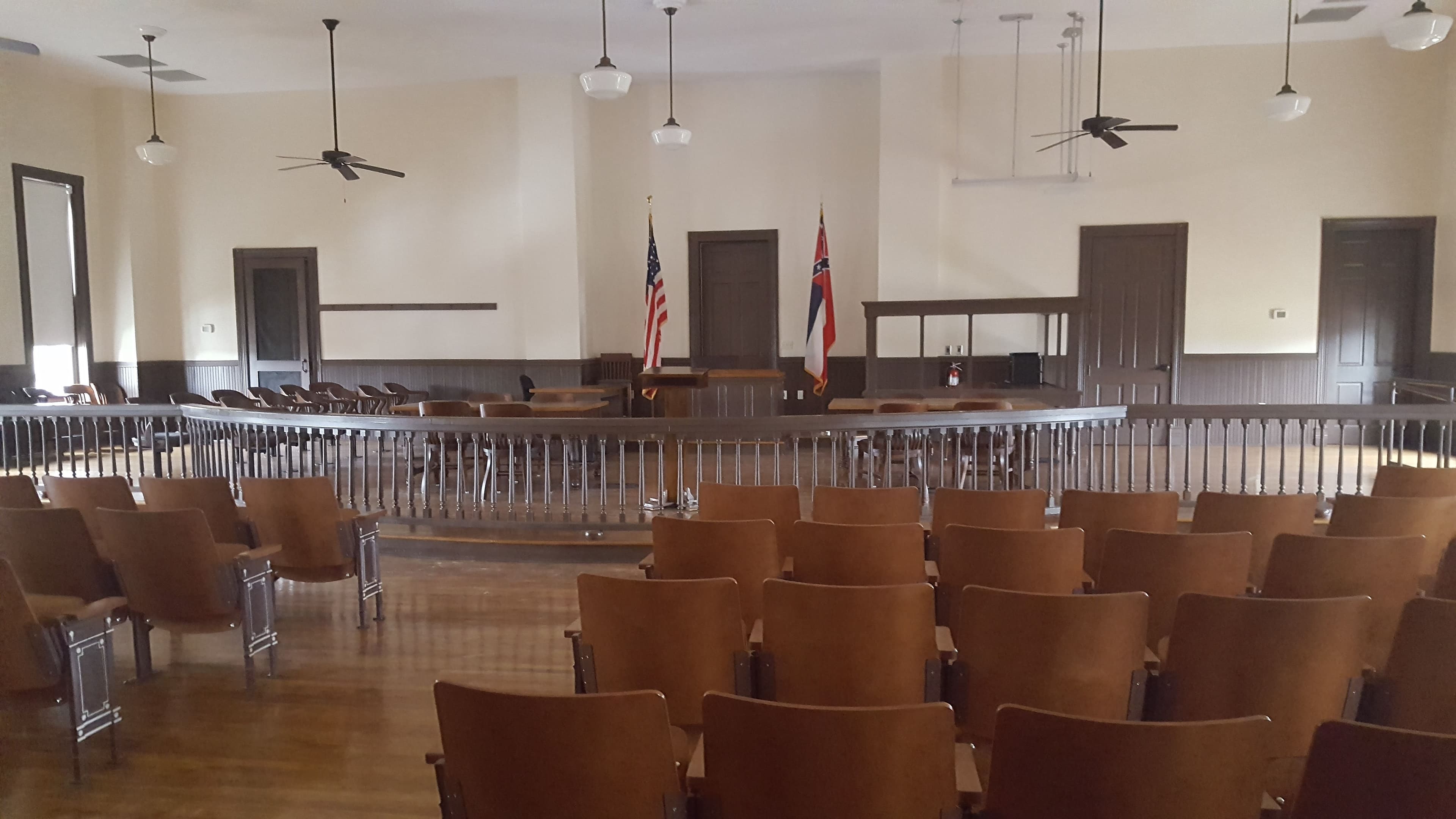
The courthouse, where Emmett Till's case was tried, and the grocery store where Emmett Till was accused were places of unspeakable injustice. Emmett Till was a 14 year old boy from Chicago, visiting Money, Mississippi. After buying candy, Till was accused of sexual threats towards Carolyn Bryant, the wife of the owner of the store. He was then abducted, brutally beaten, murdered, and thrown into the nearby river. The evidence of any threat was lacking, yet the jury acquitted the men who killed Till within 67 minutes of trial at the courthouse. Few months after, the men admitted murder to a magazine but went free, and only in 2017, it surfaced that Carolyn Bryant admitted there were no sexual threats at all. Here, an innocent 14 year old boy was robbed of his life, with no justice ever returned. To me, this marked one of the cruelest acts of humanity in modern times.
"Slavery was such a long time ago, forget about it man". I am not quoting anyone directly, but that seems like a feeling that some people do hold. The fact of the matter is, we cannot forget about these crimes against humanity. The injustice fueled by hatred and racism with the murder of Emmett Till happened in 1955, and there are people still alive that were personally affected. We do not have to trace too far back in history or in our music to understand the suffering that occurred so tangibly recent. But even if centuries more pass, these are things we cannot and should not ever forget. Rather, we owe it to the people that went through the suffering and dreamed of a better humanity, to learn from the mistakes of our past and to continue the fight for a better future.
Originally posted: https://pbhaasb.wordpress.com/category/mississippi-trip/